| Spec | Model |
|---|---|
| Launch Date | 9 September, 2025 |
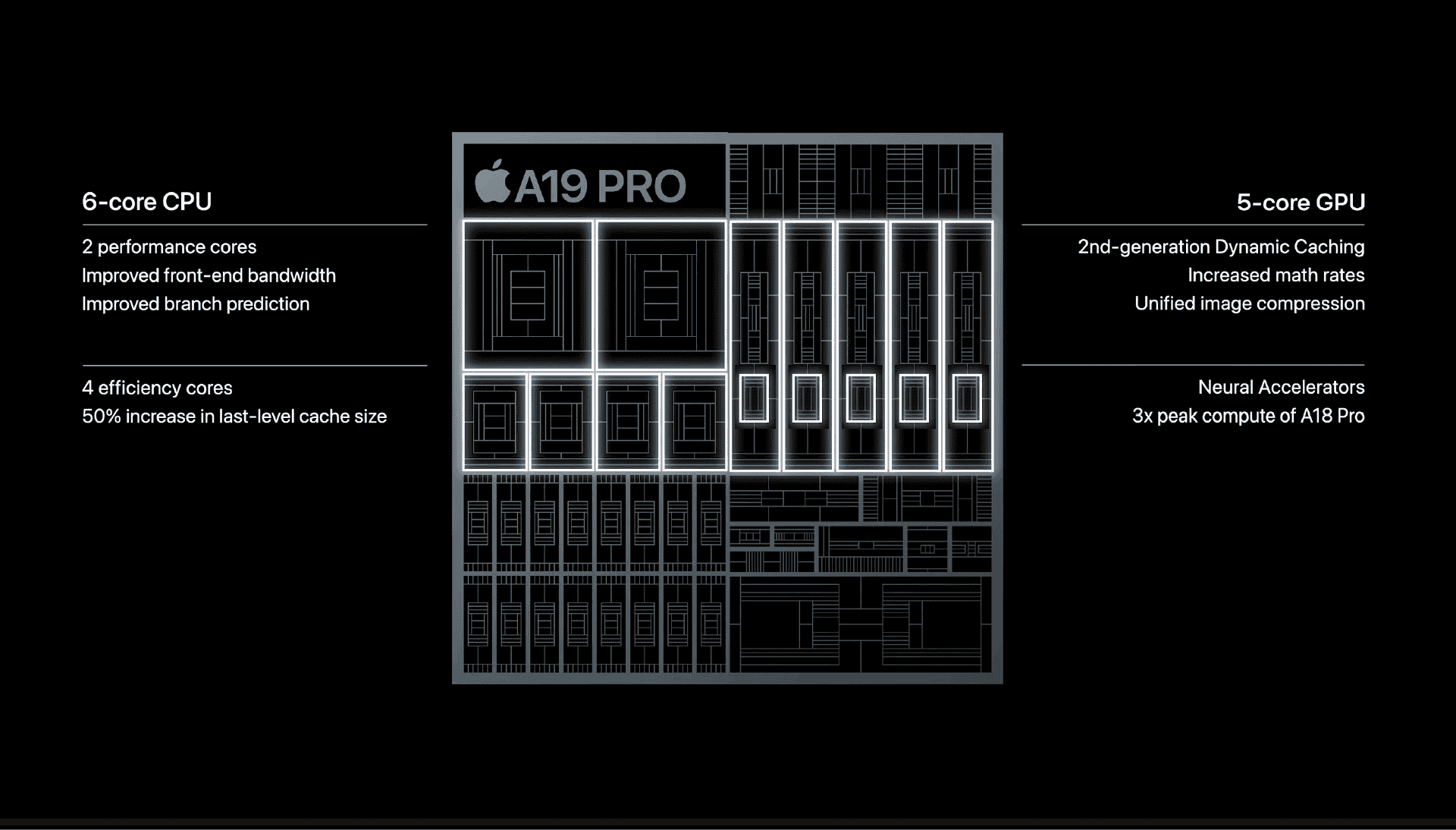
| CPU | A19 Pro |
| GPU | 5-core GPU with Neural Accelerator |
| RAM | 12 GB |
| Storage | 256 GB 512 GB 1 TB |
| OS | IOS 26 |
| Display | 16.63 cm (6.5″) Super Retina XDR display 3,000 nits peak brightness ProMotion up to 120Hz |
| Ports | USB-C MagSafe |
| Battery | 3,149 mA |
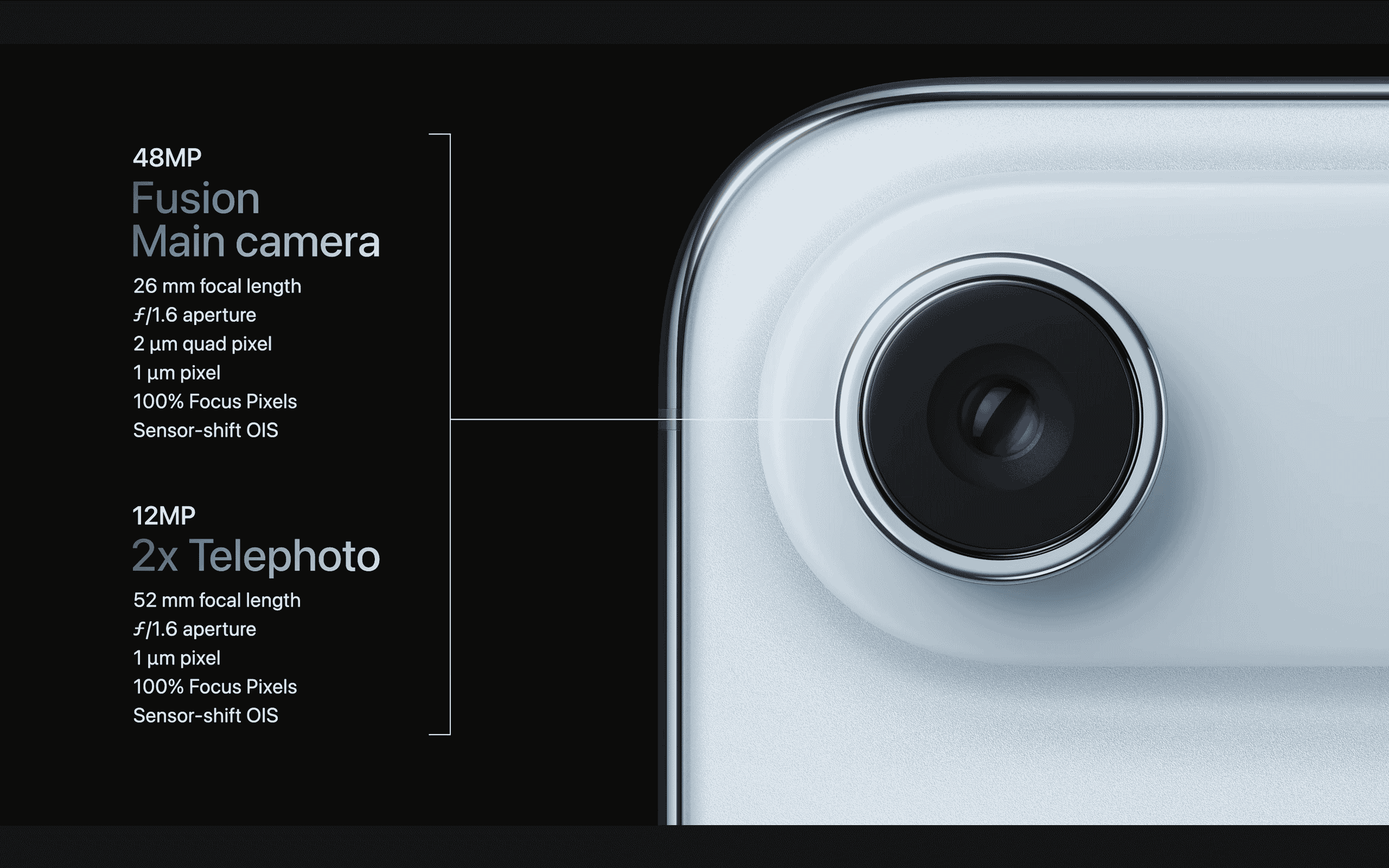
| Main Camera | 48MP Fusion Main camera |
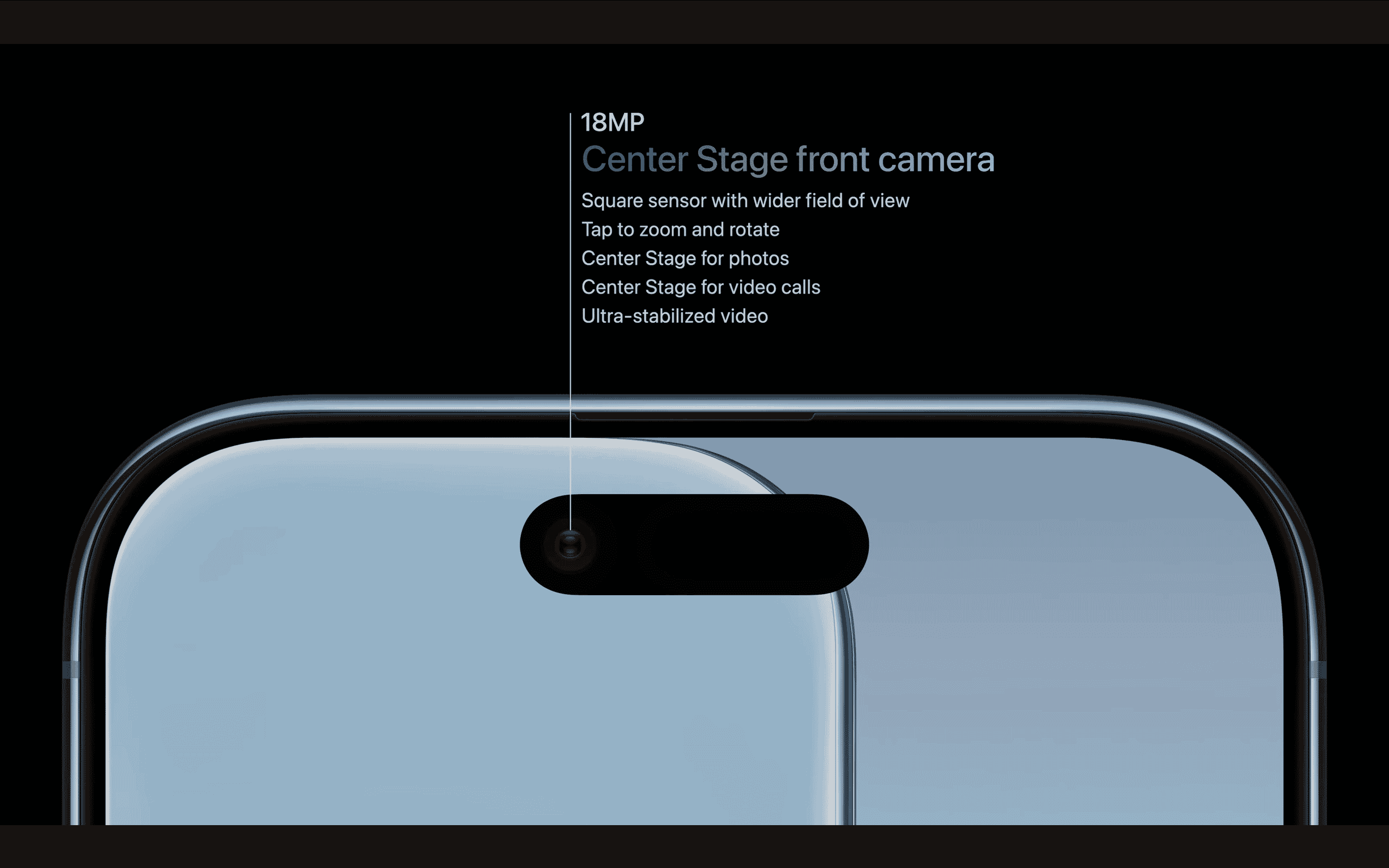
| Front Camera | 18MP Center Stage front camera |
| Sound | Mono Speaker |
| Network | C1X modem 5G and LTE eSim only |
| Comms | N1 chip Wi-Fi 7 Bluetooth 6 Thread networking |
| Sensors | Under-display Face ID TrueDepth Camera system Crash Detection Sensors All Standard Sensors |
| Colors | Space Black Cloud White Light Gold Sky Blue |
| price | ₹119900 ₹139900 ₹159900. |
After a long time, Apple has finally delivered a design that doesn’t just look good or feel good, but actually works.
Meet the iPhone Air — the thinnest iPhone to date. But don’t let that slim body fool you. This thing packs enough processing power to run a space station (okay, maybe not NASA’s, but definitely your digital life) with efficiency that will make your laptop jealous.
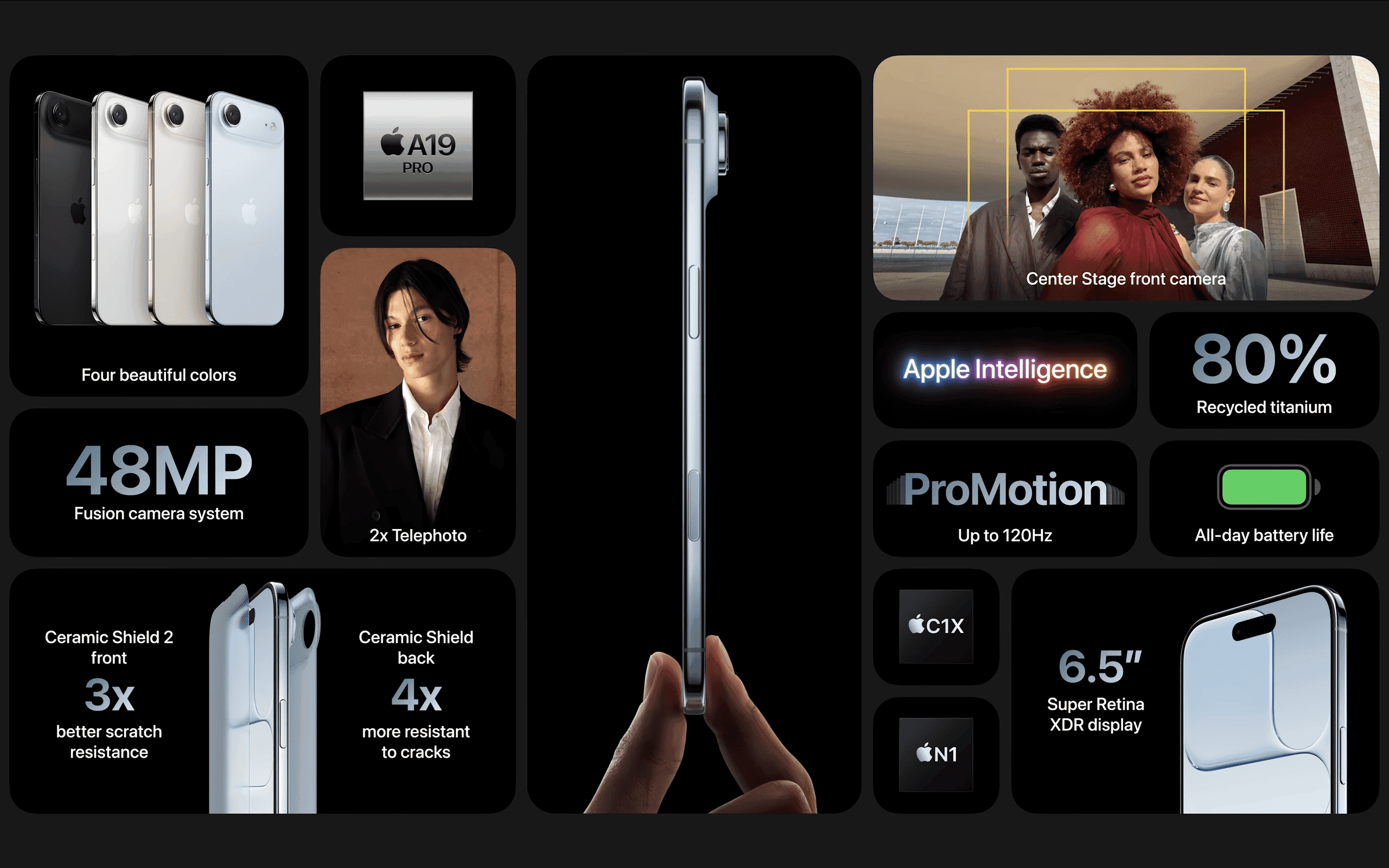
This time, Apple went all out with Grade 5 titanium — and get this, 80% of it is recycled. Sustainability meets luxury.
The back is now protected by Ceramic Shield, making it up to 4× more resistant to cracks. On the front, the all-new Ceramic Shield 2 offers 3× better scratch resistance. Translation: fewer heart attacks when your phone slips off the couch.
Inside is the brand-new A19 Pro chip, boasting a 20% faster CPU and 30% faster GPU compared to the A17 Pro from the iPhone 15 Pro. Apple didn’t give us direct comparisons with the A18 Pro (from the iPhone 16 Pro), so for now, we’ll just have to take their word that it’s “the most powerful and efficient iPhone ever.” Classic Apple marketing.
Connectivity also got a glow-up with the CX1 modem, an upgrade from the C1 modem in the iPhone 16e. It’s 30% more efficient and supports Wi-Fi 7, Bluetooth 6, and Thread — all powered by Apple’s N1 wireless chip. Basically, if your connection drops now, you can’t blame the iPhone anymore.
Apple stuck with the proven formula: a 48 MP main camera paired with a 12 MP 2× telephoto lens, enhanced by their fusion technology (the same magic from the iPhone 16e). The results? Well, you’ve seen the keynote — the photos look like they belong in a National Geographic spread.
Now here’s where things get spicy: an 18 MP Center Stage front camera.
It’s a total frame-changer.
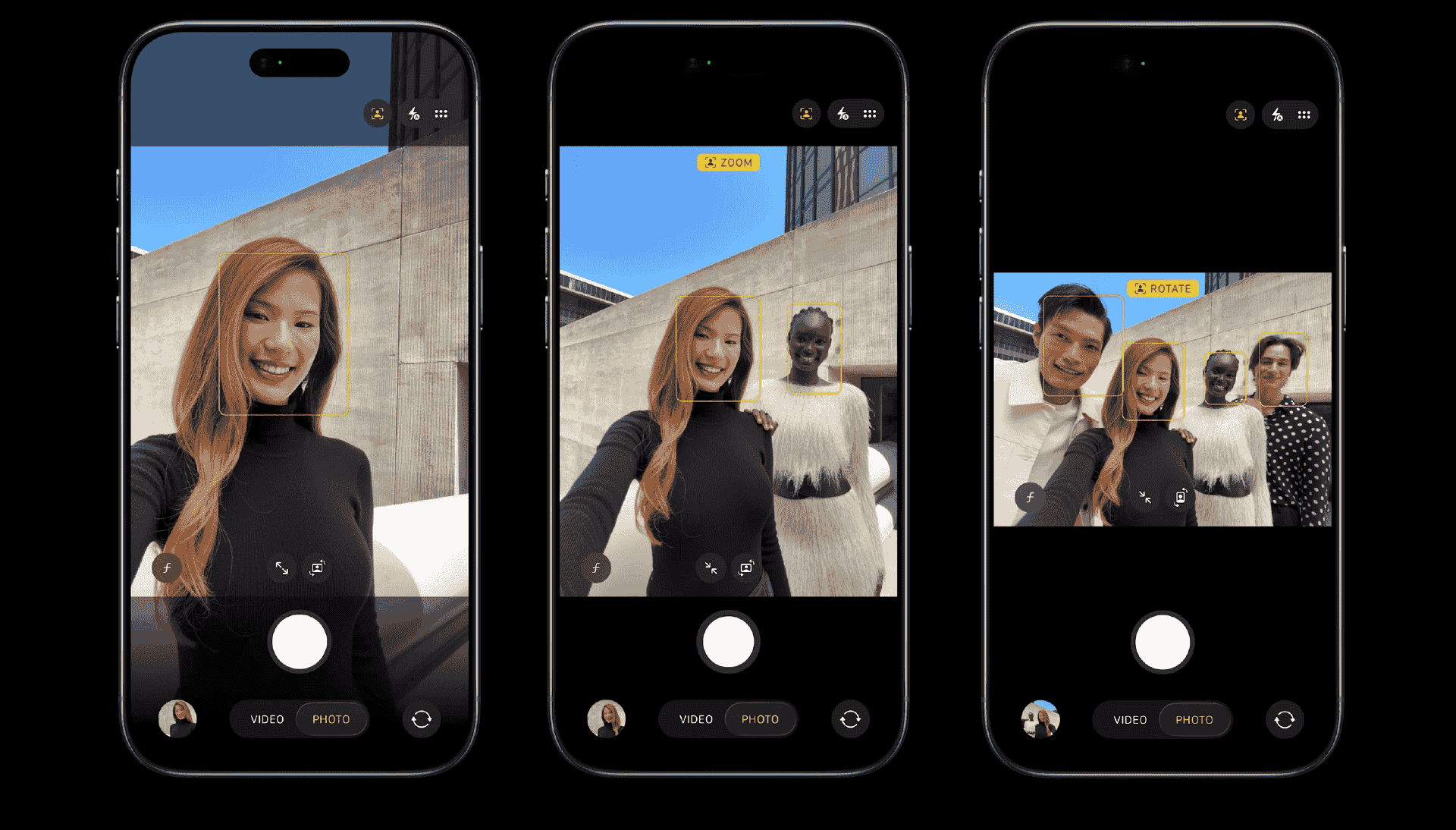
You can tap to expand the field of view, rotate between portrait and landscape without doing gymnastics with your wrist, and when friends photobomb, the camera politely makes room. More friends in your selfies, fewer elbows cut off.
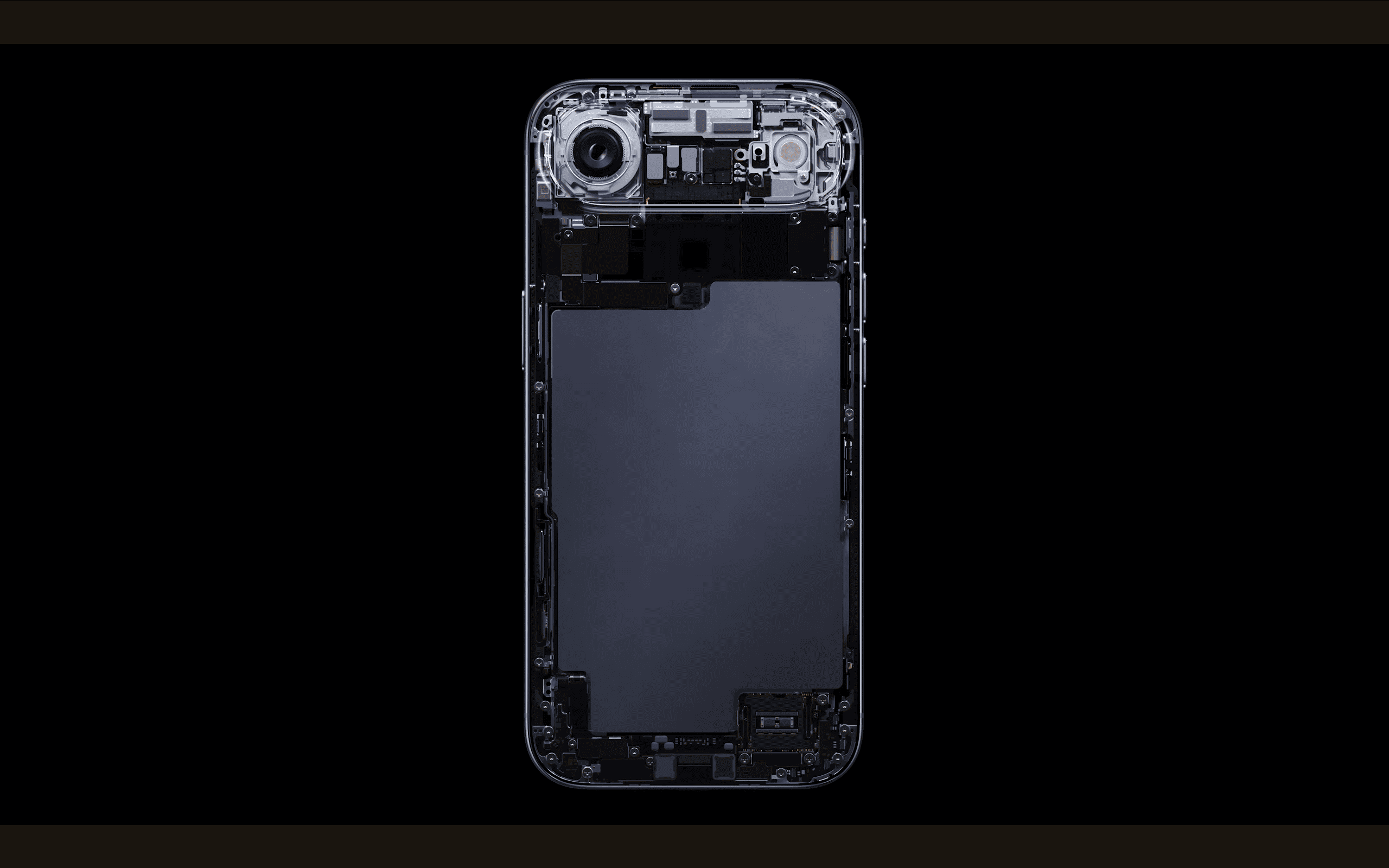
Despite being razor-thin, Apple promises all-day battery life but we have to check it ourself could just be a marketing gimick. And no, they didn’t ditch MagSafe (thankfully).
One big change though: it’s eSIM only worldwide, which helps free up space for the battery. Physical SIM card fans, pour one out.
Now, let’s talk about what happens after you buy this beauty.
In my area, Apple service centers are hands-down the best. They’re polite, professional, and will treat your iPhone like it’s a crown jewel.
The only catch? They’ll also charge you like it’s a crown jewel. Sometimes it feels like they bill you for just breathing near the Genius Bar. Need them to touch your phone? That’ll cost you. Need them to look at your phone? Still costly.
It’s premium service, no doubt — but it comes at a very Apple price tag.
The iPhone Air is sleek, powerful, efficient, and surprisingly practical for something this thin. It’s the kind of phone that makes you say, “Okay fine, Apple, take my money… again.”
Between the titanium design, the A19 Pro chip, and the new Center Stage front camera, this might just be the iPhone that wins over not only the tech nerds but also the average user who just wants something that works and looks ridiculously good doing it.

Please Sign in to add comment
Comments